
Sustainable Future Food Challenge 2026
The Sustainable Future Food Challenge 2026 (SFFC 2026) was a four-month innovation programme jointly organised by the Singapore Food Manufacturers' Association (SFMA) and Republic Polytechnic (RP).
Designed to address real-world market needs, the challenge emphasised the upcycling of agri-food waste and the adoption of circular economy practices. Students developed innovative products across various categories, including plant-based functional foods, upcycled ingredient innovations, and dairy and dairy alternatives.
The programme ran from April to August 2026 and concluded with a Grand Finale held at Republic Polytechnic on 12 August 2026.
Sustainable Future Food Challenge 2026
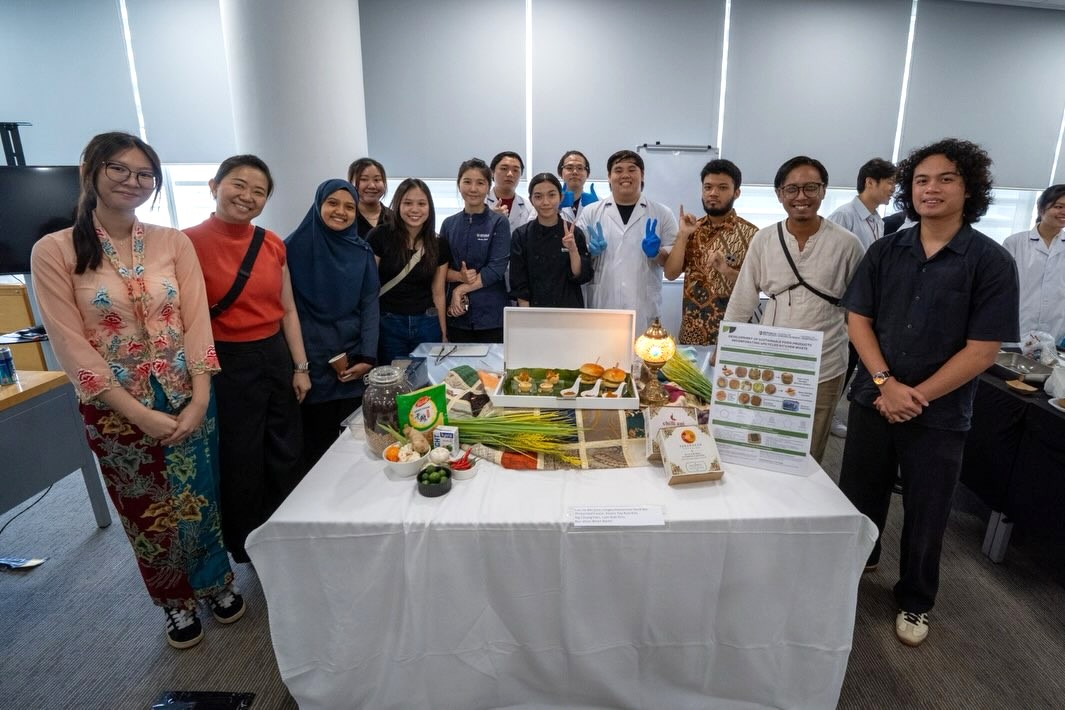
Company: Chilli Api Catering Pte Ltd
Upcycled Peranakan Finger Foods: Transforming Kitchen Waste into Sustainable Culinary Creations
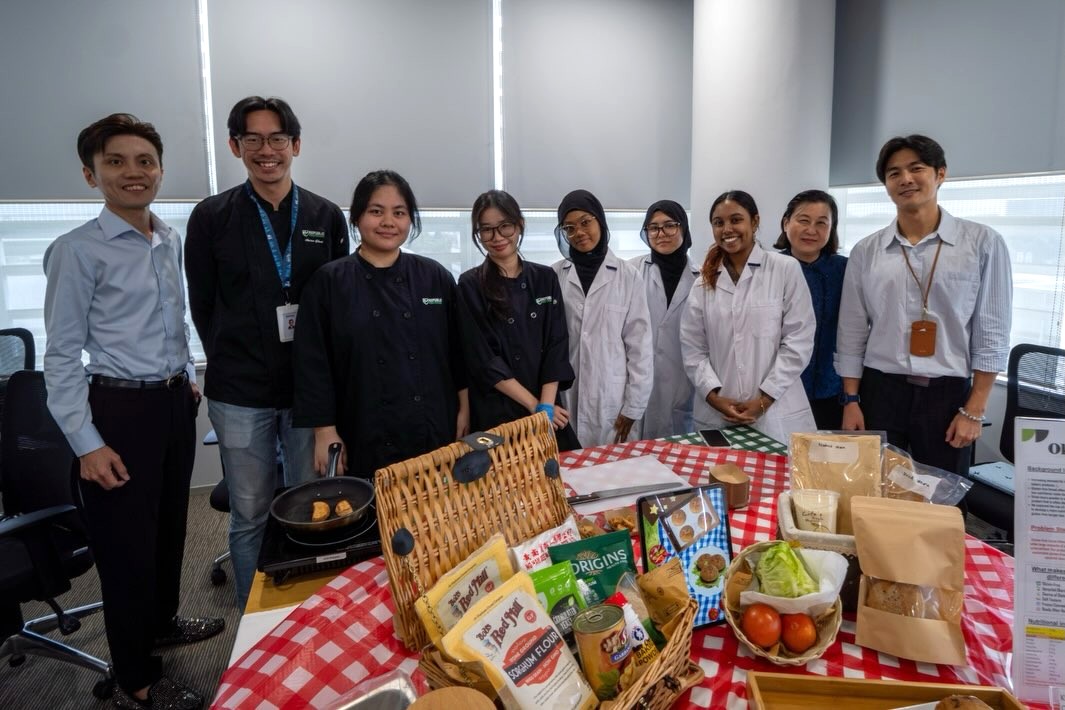
The team transformed edible kitchen waste—such as chicken trimmings, vegetable stalks, cucumber trimmings and bread crusts—into innovative Peranakan-inspired finger foods. By upcycling these ingredients, the project reduces food waste, promotes a circular economy, and creates sustainable new menu options with potential cost savings and additional revenue opportunities.
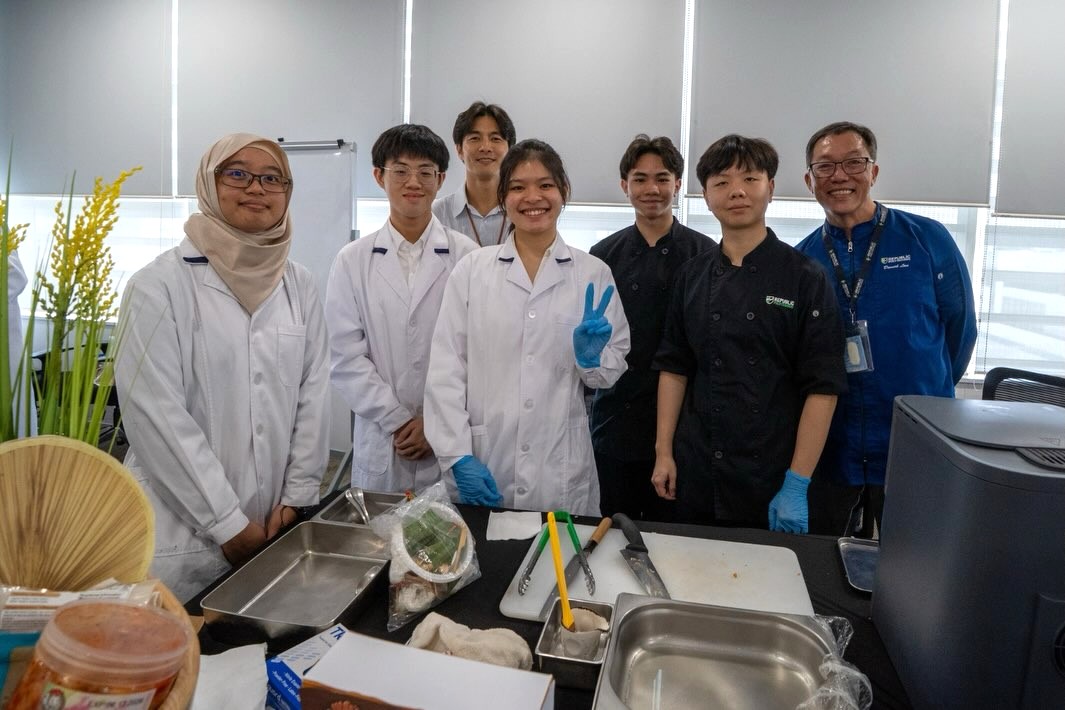
Company: Chung Hwa Food Industries Pte Ltd
GOKIMSU – A Healthier Halal Korean-Style Chicken Sausage
Gokimsu is a healthier, halal-friendly Korean-style chicken sausage designed for the Singapore market. Its reduced meat content and use of resource-efficient ingredients such as psyllium husk help lower carbon emissions while providing consumers with a convenient, high-protein option that is lower in sodium and saturated fat.
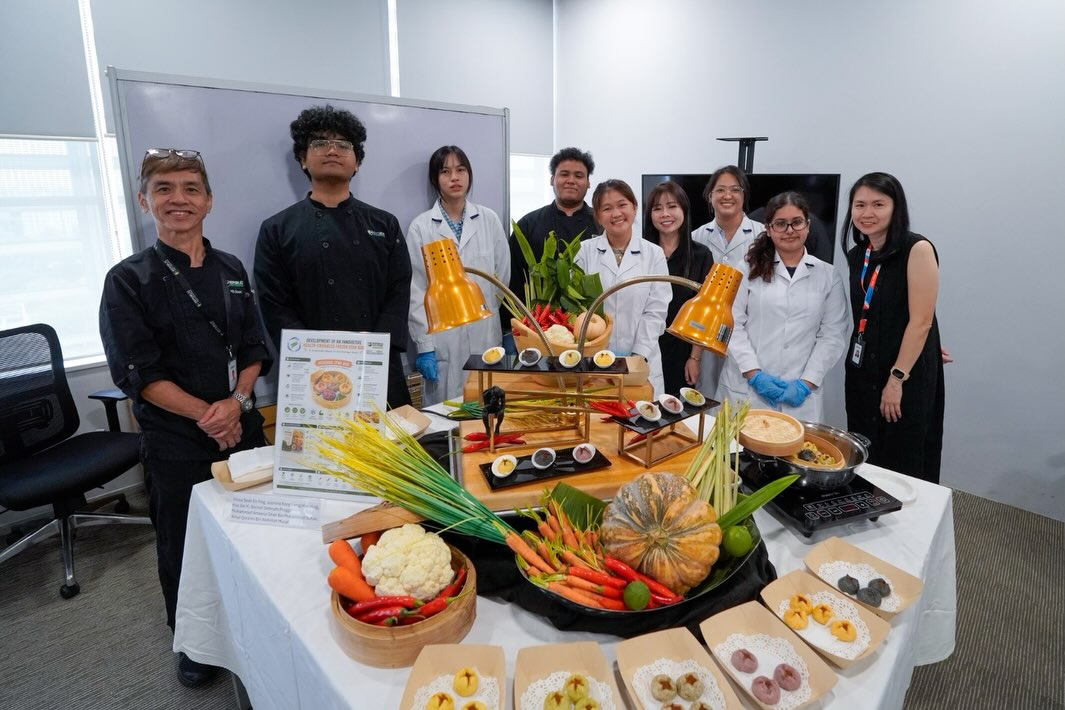
Company: Hougang Otah International Pte Ltd
Hougang Otah Bun - A Sustainable, Health-Enhanced Twist on a Local Favourite
The Hougang Otah bun is an innovative, health-enhanced frozen snack that puts a modern twist on a local heritage favourite. Plant protein was incorporated into the otah, while the bun was enriched with cauliflower purée, promoting more efficient use of ingredients. Its longer shelf life helps minimise food waste, while recyclable packaging further reduces its environmental impact.
Company: Mindo Foods Pte Limited
Upcycled Okara Burger Bun: A Nutritious and Sustainable Gluten-Free Innovation
The Okara Burger Bun is a nutritious, gluten-free alternative made with upcycled okara powder—a fiber-rich soybean by-product often discarded. By transforming this underutilised ingredient into a soft, convenient frozen bun, the project reduces food waste, extends the value of food resources, and promotes more sustainable food production.
Company: Nuveri Pte Ltd
Upcycled Vegetable Ravioli: Transforming Imperfect Produce into a Sustainable Ready-to-Eat Meal
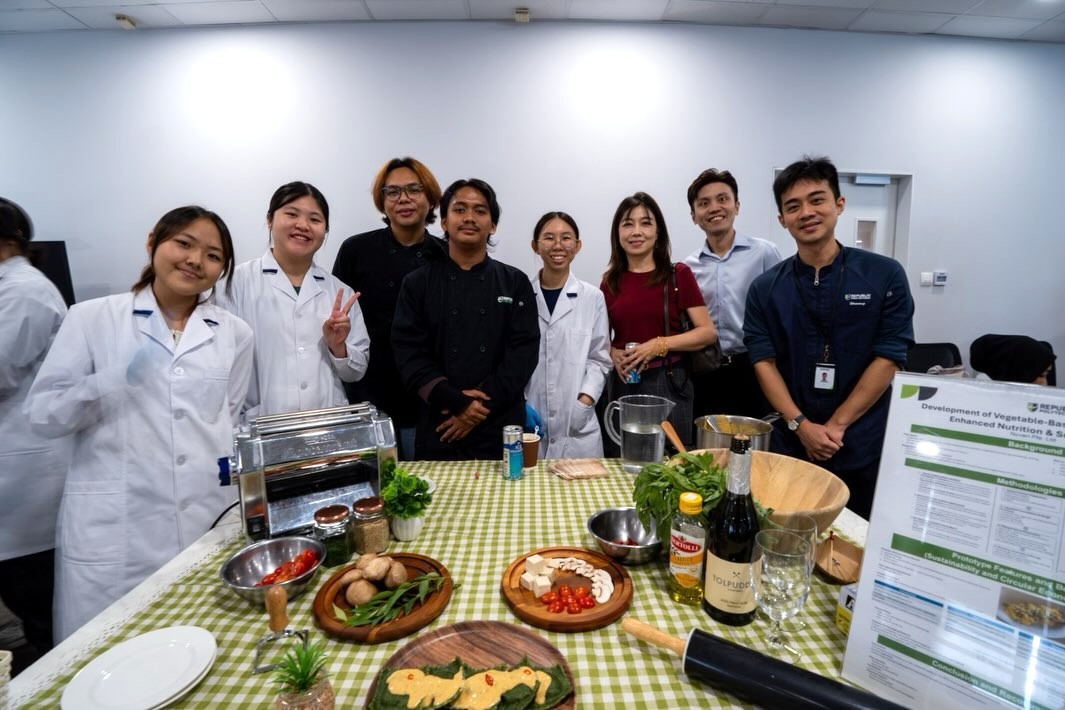
The team transforms cosmetically imperfect locally sourced vegetables—including kangkong and spinach—into a nutritious, ready-to-eat ravioli. By giving these “ugly” vegetables a new purpose, the product reduces food waste and landfill emissions while creating additional value for surplus produce. Sustainable materials such as moulded bagasse and bio-based films are also proposed for its packaging.
Company: Vivere Global Pte Ltd
Mung Bean Protein Pancake Premix: A Plant-Based Innovation
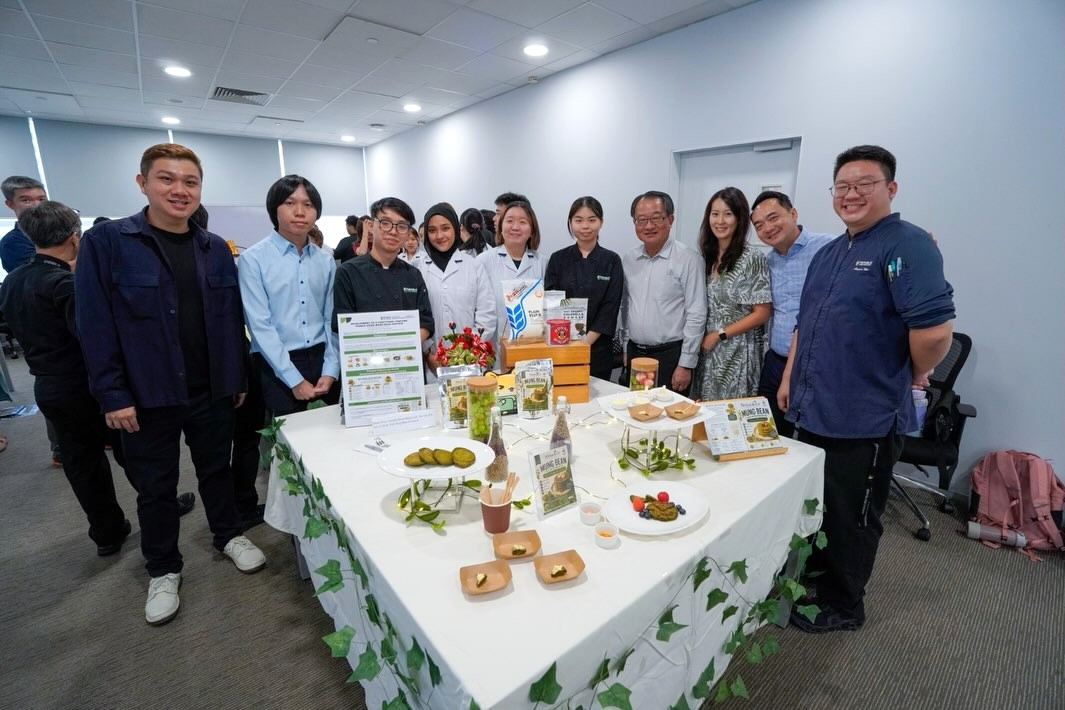
The team developed a functional pancake premix that uses mung bean protein to create a convenient, high-protein, plant-based product. By valorising an underutilised and regionally available Asian crop, the project diversifies alternative protein sources beyond soy and wheat while supporting cleaner-label, more sustainable food production.